
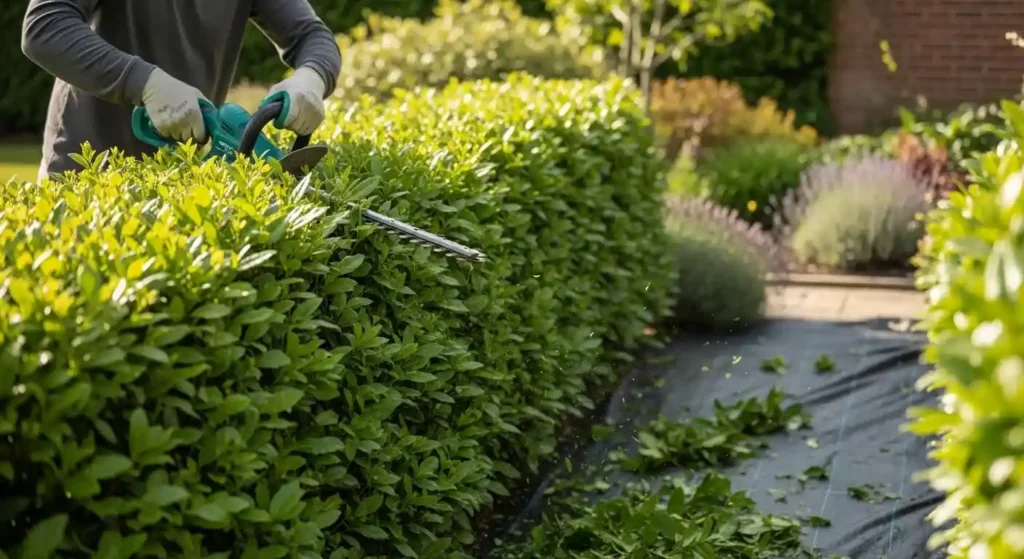
Laurel hedges require strategic trimming schedules to maintain dense foliage, healthy growth, and attractive garden boundaries across Bournemouth properties. Understanding optimal cutting times prevents frost damage, promotes vigorous regrowth, and ensures your evergreen hedge remains a thriving privacy screen throughout the year. Tree Rebral provides expert Hedge Trimming Services Bournemouth residents trust for professional results that enhance property aesthetics and plant health.
Best Times to Trim Laurel Hedges Throughout the Year
Late spring emerges as the prime trimming window for laurel hedges in the UK, specifically during April through May when new growth begins emerging. This timing allows pruning cuts to heal rapidly while encouraging vigorous new shoots to develop before winter dormancy periods. The growing season momentum ensures fresh foliage quickly covers any cut edges, creating seamless hedge appearance within weeks of maintenance work.
Early summer presents an equally effective alternative, particularly June through early July, when established laurel benefits from light shaping to control height and width. Professional hedge trimming services Bournemouth specialists recommend this secondary window for properties requiring multiple annual cuts due to fast-growing varieties like Common Laurel or Caucasian Laurel. Mid to late autumn before winter commences offers another suitable period, allowing cut surfaces to seal before harsh weather arrives while avoiding vulnerable new growth exposure to frost damage.
Understanding Different Laurel Varieties and Growth Patterns
Fast-Growing Laurel Species
Common Laurel (Prunus laurocerasus) achieves growth rates exceeding 60cm annually, requiring twice-yearly trimming to maintain compact boundaries and prevent encroachment on garden space. Caucasian Laurel similarly demonstrates vigorous expansion, demanding attentive maintenance schedules to preserve desired hedge dimensions.
Moderate Growth Laurel Types
Portuguese Laurel grows at steadier 30cm annual rates, typically needing only single yearly trims to sustain neat appearance. Bay Laurel requires special consideration as the most frost-tender variety, benefiting from spring-only cutting after cold weather passes completely.
Why Timing Matters for Laurel Hedge Health
Frost damage poses the greatest risk when trimming occurs during winter months, with exposed cut edges particularly vulnerable to cellular damage from freezing temperatures. New growth stimulated by late autumn cutting lacks sufficient time to harden before frost arrives, creating brown dieback that compromises hedge density and visual appeal. Spring trimming capitalizes on natural growth surges, enabling plants to channel energy into producing dense new foliage that rapidly fills gaps and thickens boundaries.
Summer maintenance controls hedge dimensions effectively by cutting back current season growth before it fully lignifies, reducing overall plant size for more compact profiles. Avoiding hot, dry periods prevents stress when plants struggle to seal wounds efficiently due to water scarcity. Nesting bird protection requires delaying trimming from May through July when disturbing active nests violates UK wildlife legislation.
Disease Prevention Through Proper Timing
Air circulation improves when spring trimming removes interior congestion, creating pathways that keep foliage dry and reduce fungal disease risks. Dead wood removal during annual maintenance eliminates pathogen entry points before infections spread to healthy tissue.
Optimal Healing Conditions
Growing season trimming ensures rapid callus formation over cut surfaces, preventing moisture loss and pathogen invasion. Plants mobilize resources efficiently during active growth, sealing wounds within weeks compared to months-long vulnerability during dormancy.
Professional Trimming Techniques and Equipment
Tree Rebral employs proven methods delivering superior hedge trimming services Bournemouth properties deserve for lasting results.
- Sharp secateurs create clean cuts on individual branches without tearing tissue, ideal for formal hedges where leaf aesthetics matter most
- Hedge trimmers accelerate work on larger installations, though creating minor leaf bruising that heals quickly when cutting occurs during growth periods
- Systematic approach begins with removing dead, diseased, or damaged material before shaping healthy growth
- Interior thinning allows sunlight penetration to central branches, preventing bare patches from developing in shaded zones
- Post-trim feeding with general fertilizers like Growmore or pelleted chicken manure at 100g per metre supports recovery and encourages dense regrowth
Professional equipment including quality ladders, pole saws, and battery-powered trimmers ensures safe, efficient completion while minimizing environmental impact through reduced emissions.
When Professional Services Become Essential
Hedge trimming services Bournemouth specialists handle challenging situations beyond typical homeowner capabilities safely and efficiently.
Height exceeding safe ladder reach creates fall risks requiring professional scaffolding or elevated work platforms. Overgrown hedges needing substantial reduction benefit from expert knowledge about how far back laurel tolerates cutting without killing plants. Multiple large hedges consuming entire weekends of labour become manageable when professionals complete work in hours using commercial equipment.
Nesting bird assessment ensures legal compliance when trimming during sensitive breeding seasons. Disease diagnosis identifies fungal infections, pest infestations, or nutrient deficiencies requiring targeted treatment beyond simple trimming. Waste disposal for substantial clippings often exceeds household capabilities, with professional services including complete cleanup and green waste removal.
FAQ’s About Laurel Hedge Trimming
How Many Times Per Year Should I Trim My Laurel Hedge?
Most laurel varieties need once-yearly trimming, though fast-growing species like Common Laurel benefit from twice-annual maintenance in spring and summer. Established hedges typically require less frequent attention than young plantings developing dense structure.
Can I Trim Laurel Hedges in Winter?
Avoid winter trimming as frost damages freshly cut edges and cold temperatures prevent efficient wound healing. Late autumn trimming before severe weather arrives provides the latest safe window for maintenance work.
What Tools Work Best for Trimming Laurel Hedges?
Sharp secateurs deliver cleanest results without torn leaves, while hedge trimmers accelerate larger jobs despite minor aesthetic compromise that disappears with new growth. Battery-powered equipment reduces noise and emissions compared to petrol alternatives.
How Far Back Can I Cut an Overgrown Laurel Hedge?
Laurel tolerates hard pruning quite well, accepting substantial reduction as long as cutting occurs during growing seasons when plants recover vigorously. Avoid severe cuts in winter when frost damage risks increase and healing slows dramatically.
Should I Fertilize After Trimming My Laurel Hedge?
Yes, applying general fertilizer at 100g per metre after trimming supports rapid recovery and encourages dense new growth. Water fertilizer thoroughly into soil for optimal nutrient uptake and root zone delivery.