If you’ve searched for help with a tree and found yourself bouncing between terms like tree surgeon, arborist and arboriculturalist, you’re not alone. In the UK these titles are often used interchangeably, even though they can describe slightly different skill sets. The most important thing is not the label on a website or van, but whether the person you hire can assess the situation properly, explain the options clearly, and carry out the work safely and to a high standard.
This guide brings together the best ideas found across common “tree surgeon vs arborist” pages, but explains them in a straightforward, practical way that helps you decide what you actually need.
What A Tree Surgeon Typically Does
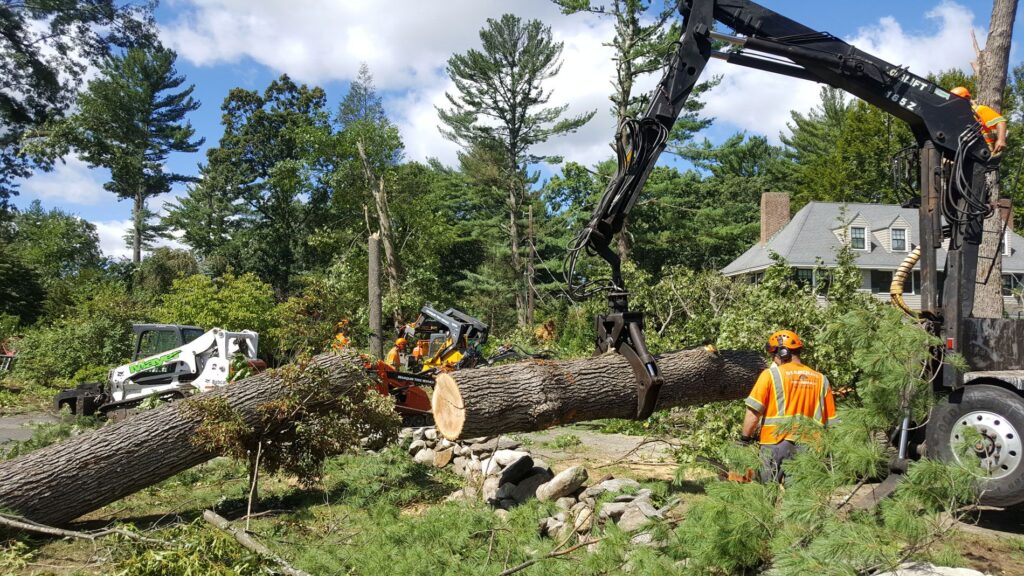
A tree surgeon is usually the person you call when you need physical work done on a tree. That might include pruning to improve clearance, reducing a canopy to manage size, thinning to improve light and airflow, removing deadwood, dismantling a tree in sections, or carrying out a full removal. Because much of this work happens close to homes, fences, sheds, conservatories, and public spaces, the job is as much about safe control as it is about cutting.
Good tree work is planned. It involves checking access, setting up exclusion zones, controlling falling timber, and protecting whatever is underneath. A professional will also talk you through what the work will look like afterwards and what impact it could have on the tree over the next few seasons. When done well, the outcome is safer, tidier and better for the tree’s long-term condition.
What An Arborist Tends To Focus On
An arborist’s work leans more towards tree health, structural stability, and longer-term management decisions. If you’re unsure whether a tree is safe, concerned about decline, or seeing signs of disease or decay, an arborist-style assessment can be a sensible starting point. This is also the route many people take when they need clear recommendations rather than immediate cutting.
An arborist may look for issues such as weak branch unions, cavities, fungal brackets, dieback, or root-related problems that affect stability. They can help you understand whether the best next step is monitoring, selective pruning, bracing, or in some cases removal. In higher-risk settings, that assessment can shape the specification for the practical work, which makes the site safer and reduces the chance of repeat problems later.
Where The Roles Overlap In Real Life
In practice, many reputable UK contractors cover both areas. That’s why people often use the words as if they mean the same thing. A well-run company can provide a clear diagnosis, explain options, and then carry out the work with the correct techniques.
A simple way to think about it is this: practical work needs skilled execution, and skilled execution is safest when it’s guided by good judgement. If you’re only getting one side of that equation, the results can be less predictable. The best approach often combines assessment with safe delivery, especially where trees are large, close to targets, or showing signs of weakness.
Arboriculturalist And Arboriculture: What Those Terms Mean
You’ll sometimes see “arboriculturalist” used instead of arborist. In UK usage it generally refers to the same world of professional tree care and management. It can also suggest someone working at a more technical or consultancy level, such as providing management plans, surveys, or advice linked to development and site constraints.
For homeowners, you don’t need to get too hung up on the terminology. What matters is the outcome: clear advice, suitable work, and a tree that remains safe and healthy for its surroundings.
How to decide who you need: practical examples
If you want a quick rule of thumb, start with the question you’re trying to answer.
- If your question is “Can you reduce this tree, remove the dead branches, lift it off the drive, or take it down safely?” you’re usually looking for a tree surgery contractor to carry out the work.
- If your question is “Is this tree safe, is it diseased, what’s causing dieback, or what’s the best long-term option?” you’ll benefit from an arborist-style inspection first.
- If your tree is close to buildings, roads, neighbouring properties, or public footpaths, the safest route is often both: assessment first, then practical work delivered to that recommendation.
This approach saves money and stress because it reduces guesswork. It also tends to produce better outcomes for the tree and fewer surprises for the property owner.
Why Titles Can Be Misleading
One theme that comes up again and again across UK guidance is that titles are sometimes used loosely. That doesn’t mean everyone is unqualified, but it does mean you should check competence rather than relying on wording alone. A trustworthy contractor will be happy to explain their training, experience, insurance cover and approach to safety.
You’re also looking for clarity in the quote. A vague proposal that simply says “cut back” or “trim tree” without detail should raise questions. Good professionals describe what they will do, what standard they work to, and why that method is appropriate for your tree.
What “good Practice” Looks Like On Site
High-quality tree work is controlled and methodical. You should expect clear communication, safe working zones, careful cutting points, and protection of your property. On complex jobs, you may see controlled lowering and rigging so that limbs don’t swing into fences or roofs. A tidy site and sensible waste handling are also part of professional delivery.
On the tree health side, good practice means not over-pruning, avoiding unnecessary stress, and making cuts that support recovery and long-term structure. The goal isn’t to “butcher” a tree into shape, but to manage it so it remains stable, attractive, and less likely to become a problem in future storms.
Commercial Sites And Higher-risk Environments
Tree work for businesses, landlords, schools and commercial premises often needs more structure. Access planning, public safety controls, documentation and scheduled maintenance are common requirements. Work may need to take place outside busy hours, around parking areas, or with traffic and pedestrian management.
If you manage a site, it’s worth choosing a contractor who can communicate clearly, work to agreed specifications, and provide consistent service rather than a one-off job. Proactive maintenance typically costs less than emergency call-outs after storms.
A Note On “chainsaw Specialists” And Diy Risks
Some content online introduces a third label such as “chainsaw specialist”. In the UK context, safe chainsaw operation is only one part of tree work. Residential and urban tree jobs often require climbing, rigging, and an understanding of how a tree will respond to cutting. That’s why it’s rarely sensible to hire based on a tool-based label alone.
DIY tree work is also a common cause of injuries and property damage. If a tree is large, near buildings, or requires climbing, it’s a job for trained professionals. Even smaller pruning tasks can go wrong without knowledge of correct cuts and safe handling.
Why Choose TreeRebral Ltd
TreeRebral Ltd provides professional tree care with an emphasis on safety, clear advice, and long-term outcomes. We don’t rely on jargon or vague promises. Instead, we explain what’s needed, why it’s needed, and what results you can expect. Whether you need straightforward pruning, risk reduction ahead of storms, or help understanding the condition of a tree, we’ll guide you towards the right approach and carry out the work responsibly.
Contact us
For advice, a site visit, or a clear quote for tree work, contact us today. We’ll listen to what you need, ask a few practical questions, and recommend the safest, most appropriate option for your trees and property. Whether it’s pruning, crown management, storm-risk reduction, or removing hazardous branches, you’ll get straightforward guidance and professional service from start to finish. Call 07983079327 or email Info@treerebral.co.uk to arrange a visit and get started.
FAQs
What’s The Difference Between A Tree Surgeon And An Arborist?
A tree surgeon mainly carries out practical work like pruning, reductions and removals. An arborist focuses more on tree health, structure and risk, often advising what work is most appropriate.
Do I Need An Arborist Or A Tree Surgeon For Pruning?
For routine pruning, a skilled tree surgery team is usually enough. If you’re unsure what pruning is suitable or the tree looks unhealthy, an arborist-style assessment helps first.
Are the titles “arborist” and “tree surgeon” legally protected in the UK?
Not always in a strict sense. That’s why it’s important to check experience, training, insurance, and the quality of the quote rather than relying on the title alone.
What Is Crown Thinning And When Is It Useful?
Crown thinning removes selected inner branches to improve airflow and light while keeping the tree’s shape. It’s often used to reduce wind resistance and improve canopy health.
What Is Crown Reduction And Is It Safe For The Tree?
Crown reduction reduces the overall size of the canopy. Done correctly to suitable growth points, it can manage size and risk while maintaining the tree’s structure.