Old tree stumps may look harmless, but they can create long-term issues beneath the surface. Many homeowners underestimate how tree stumps affect garden health, especially as they begin to decay. Hidden root systems, rotting wood and trapped moisture slowly impact soil, plants and garden structure. In areas like Bournemouth, Poole and Christchurch, weather and soil types accelerate these effects. Understanding the risks helps homeowners see why stump removal for garden health is often essential. TreeRebral Ltd recommends early assessment to avoid future problems.
2. Common Tree Stump Problems Homeowners Overlook
Old stumps continue to interact with the environment long after a tree is cut. These tree stump problems include ongoing root activity, soil disruption and unwanted sprouting. Many gardens suffer from reduced plant growth due to space competition or imbalance created by the stump’s presence. The lingering wood also becomes a hazard during mowing or landscaping. When considering overall stump impact on garden health, homeowners often discover the stump interferes more than expected, affecting both safety and garden performance over time.
2.1 Hidden Issues Caused by Old Stumps
Many problems remain unseen beneath the soil. Old stumps can continue spreading shallow roots, drawing nutrients away from nearby plants. These hidden tree stump hazards weaken lawns, flowerbeds and shrubs. Over time, decayed roots may collapse, causing dips in the ground that become tripping hazards. Since these issues occur gradually, homeowners rarely connect them to the original stump. By the time symptoms appear, garden structure may already be compromised, requiring professional attention to restore healthy soil and plant growth.
2.2 Stump Impact on Overall Garden Health
Old stumps influence garden health in subtle but significant ways. They alter soil moisture, create nutrient imbalances and prevent new plants from thriving in surrounding areas. This stump impact on garden health becomes more noticeable as roots continue to decompose. The decaying material enriches some areas while depriving others, creating inconsistent soil conditions. These effects limit planting options and disrupt normal garden development. Over time, the surrounding vegetation may appear stunted, patchy or weak due to imbalanced nutrient distribution caused by the stump.
3. Tree Stump Decay Issues Over Time
Decaying stumps go through stages that affect the garden differently. Early decay softens the wood, inviting pests and fungi, while advanced decay destabilises surrounding soil. These tree stump decay issues slowly change soil texture and microbial activity. As fungi spread from the stump, they may move toward healthy plants. Moisture trapped inside the stump fosters bacteria and disease. Over several years, these processes can reshape the health of the garden, creating long-term problems if the stump is not removed professionally.
3.1 Natural Decay and Its Consequences
As stumps decompose naturally, they release organic matter into the soil. While small amounts are beneficial, excessive decay creates imbalance. This leads to inconsistent soil fertility around the stump. The uneven distribution affects future planting and contributes to unpredictable garden behaviour. These tree stump decay issues also weaken soil structure, causing soft patches or dips. When decay accelerates, fungi and bacteria spread outward. This can harm sensitive plants or newly planted shrubs, making stump removal an important step in restoring garden health.
3.2 Root Decay Spreading Underground
Old stump roots continue decaying long after the stump above ground appears stable. This root decay from old stumps weakens the soil foundation and disrupts nearby plant roots. As decay progresses, underground cavities may form, leading to sinking or uneven ground. Nutrient competition also continues until the root fully decomposes. Plants located near the stump often struggle to establish strong root systems due to these disruptions. Over time, the decayed root network creates structural weakness, which can interfere with healthy garden development.
3.3 Fungal Infections in Decaying Stumps
Fungus thrives on decaying wood, making old stumps a perfect host. Fungus on old tree stumps spreads through soil, potentially infecting nearby plants. Species like honey fungus can travel long distances underground and aggressively attack healthy roots. These stump-related plant diseases weaken shrubs, hedges and small ornamental trees. Fungal spores also alter soil composition, making it harder for young plants to thrive. Without removing the stump, fungal colonies often continue expanding, leading to garden-wide infection concerns that require professional intervention.
4. Pests Attracted to Old Stumps
Decaying stumps attract various pests, from insects to small animals. These pests attracted to old stumps create ongoing problems even after the tree is gone. Termites, beetles and ants use the stump as a food source and nesting site. As they multiply, these pests may migrate toward wooden fences, sheds or even homes. Moisture-loving pests also gather around rotting stumps, increasing garden maintenance needs. Removing the stump early prevents pests from establishing large colonies that spread beyond the stump area.
4.1 Insects That Invade Decayed Wood
Old stumps are ideal habitats for insects such as wood-boring beetles, carpenter ants and termites. These pests thrive in decaying material and multiply quickly. Once established, they travel into healthy plants or wooden structures around the garden. This infestation—triggered by pests attracted to old stumps—can lead to extensive garden and property damage. Removing the stump prevents infestation centres and reduces the likelihood of pests spreading deeper into the landscape or toward buildings.
4.2 Rot and Moisture Attracting Wildlife
Rotting wood traps moisture, attracting not only insects but also rodents and other wildlife. These animals shelter inside hollow stumps, creating disturbances in the garden. Moisture-rich areas encourage pest breeding, which amplifies other tree stump hazards. Small animals may dig around the stump, damaging flowerbeds or lawns. Their burrows weaken soil structure even further. Managing these wildlife issues becomes harder the longer the stump remains, making early stump removal a preventative step for protecting garden health.
4.3 Local Examples of Pest Issues
In regions like Bournemouth, Poole and Christchurch, moisture levels and mild winters increase pest activity. Many Christchurch garden stump problems begin with stumps decaying faster due to weather. Garden health stump removal Poole often becomes necessary when ants and beetles establish colonies. In Bournemouth, residents frequently request garden stump removal Bournemouth after pests start spreading from old stumps into surrounding garden areas. Addressing these issues early helps prevent infestations from becoming long-term problems.
5. How Old Stumps Harm Soil and Plants Around Them
Old stumps interfere with healthy soil development. As they decay, they create inconsistent moisture pockets, encourage fungus and block new root growth. These patterns lead to garden soil health issues that make planting difficult. Unstable soil slows plant development and reduces resilience. Over time, surrounding plants may decline due to disease, root interference or nutrient imbalance. Understanding these interactions helps explain why removing old stumps is vital for maintaining strong, healthy gardens.
5.1 Garden Soil Health Issues
Decaying stumps alter soil pH and nutrient flow. This causes garden soil health issues that make the ground unsuitable for planting. Excess organic matter may create overly rich soil, while some areas remain deprived. These imbalances prevent seeds from germinating evenly and restrict root growth. Water distribution also becomes inconsistent, causing pooling near the stump. Such changes affect overall garden performance. Removing the stump allows the soil to stabilise and regain consistent structure over time.
5.2 Stump-Related Plant Diseases
Diseases from old stumps can spread to garden plants. These stump-related plant diseases include fungal infections, root rot and bacterial spread. As decay increases, pathogens travel through the soil and reach nearby shrubs or young plants. These diseases weaken root systems and cause foliage discolouration or plant death. Continuous exposure to stump-borne pathogens leads to recurring garden problems. Removing the stump eliminates the infection source, allowing garden plants to grow more safely and healthily.
5.3 Poor Drainage and Blocked Growth Areas
Old root systems block water flow and create drainage problems. Water may accumulate around the stump, making soil too moist for certain plants. These blockages also prevent new planting because roots compete for space. Poor drainage contributes to tree stump problems that affect plant health across the garden. Removing the stump improves drainage patterns, supports healthier root development and prepares the area for new landscaping or planting plans.
6. Local Problems: Bournemouth, Poole & Christchurch Gardens
Different regions experience unique stump-related challenges. In Bournemouth, coastal moisture accelerates decay, encouraging fungal growth. Many homeowners seek stump grinding Bournemouth to address these issues. Poole’s clay-heavy soil retains water, increasing pest activity and prompting stump grinding Poole for long-term solutions. Christchurch garden stump problems often arise from mixed soil types and rapid stump decay. Local climates significantly affect how quickly stumps decay and how severely they impact garden health.
7. Why Stump Removal Is Essential for Garden Health
Removing stumps restores garden balance and eliminates many long-term issues. Whether it’s preventing pests, diseases or soil instability, stump removal for garden health ensures plants can grow without competition or contamination. Proper stump removal prevents fungi, improves drainage and opens up planting space. TreeRebral Ltd often sees major improvements in garden recovery once old stumps are removed. Eliminating these decay sources ensures healthier soil and more predictable garden development.
8. Best Ways to Remove Old Tree Stumps Safely
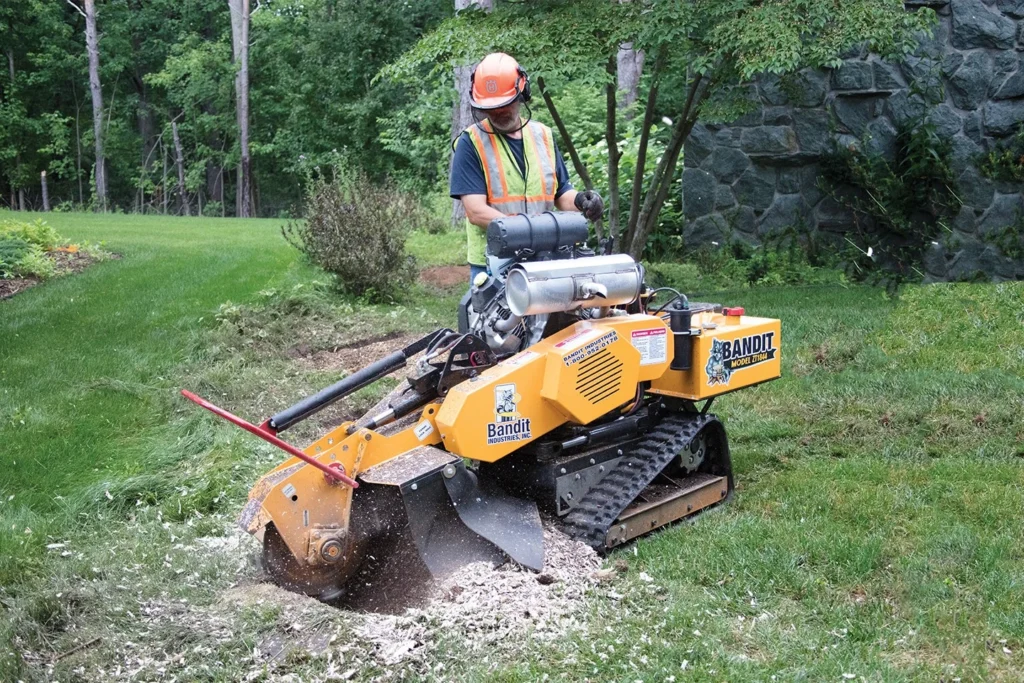
Professional services provide the most effective stump removal methods. Techniques such as grinding completely eliminate the stump and prevent regrowth. Many homeowners choose tree stump grinding services because it restores garden usability with minimal disruption. In Bournemouth and Poole, stump grinding Bournemouth and stump grinding Poole are common due to soil conditions. Professionals ensure deeper and safer removal than DIY attempts. TreeRebral Ltd recommends professional grinding for reliable, clean results.
Why Choose Us
TreeRebral Ltd offers expert stump removal solutions designed to protect garden health. With modern equipment and a skilled team, we handle stumps of all sizes safely and efficiently. Our knowledge of local soil conditions in Bournemouth, Poole and Christchurch allows us to provide precise, effective stump grinding tailored to each garden. We focus on preventing pests, diseases and decay, ensuring your garden regains full health after stump removal.
Contact Us
If you have an old stump affecting your garden, we’re here to help. TreeRebral Ltd offers reliable stump grinding and removal services across Bournemouth, Poole and Christchurch. Contact Us today for a free quote or to schedule an inspection. Let us restore your garden’s health with safe, professional stump removal.