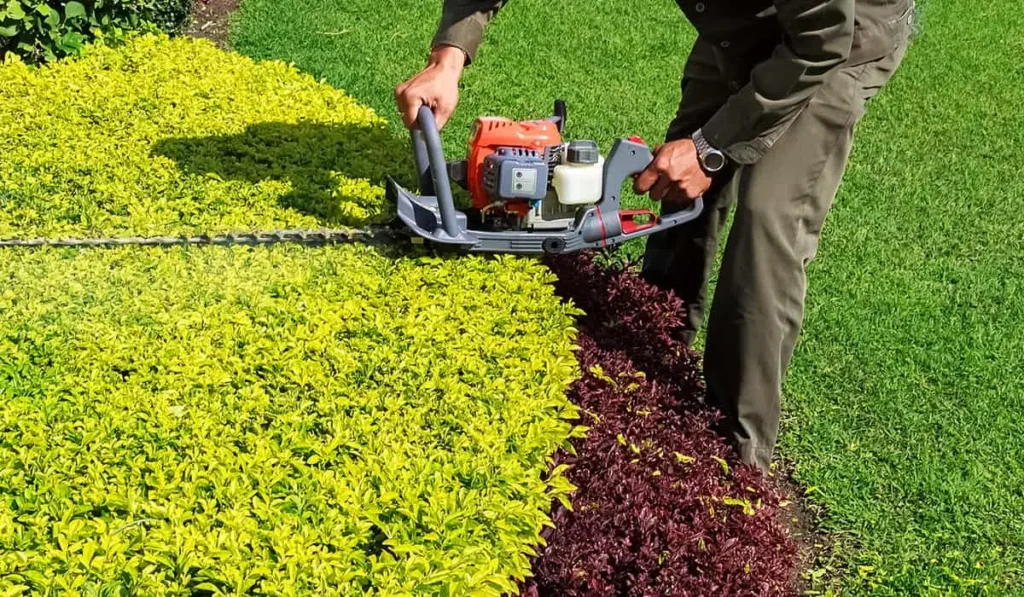
Hedge trimming looks simple, but many homeowners experience ongoing problems because of small mistakes made at the wrong time. These issues can affect hedge shape, growth, density and long-term health. In this guide, we break down the most common hedge trimming problems and explain practical solutions you can apply to fix them and prevent future damage.
Why Hedge Trimming Problems Happen So Often
Most hedge trimming problems occur due to poor timing, lack of planning or incorrect cutting techniques. Many people trim hedges too aggressively or without understanding how hedges grow. Weather conditions, blunt tools and irregular maintenance also play a big role. Over time, these mistakes lead to weak regrowth, uneven shape and stressed plants that become harder to manage.
The good news is that most hedge trimming issues are completely fixable when handled correctly.
Uneven Hedge Trimming
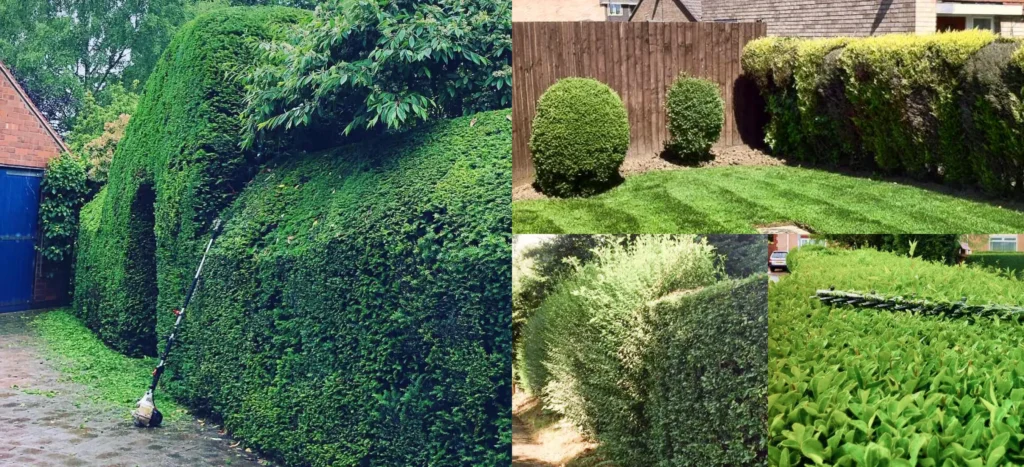
Uneven hedge trimming is one of the most common and noticeable problems. It usually happens when trimming is rushed or done without guides. Cutting one side more than the other creates an unbalanced appearance and affects how sunlight reaches the hedge. Over time, uneven trimming leads to patchy growth, thin areas and poor overall structure.
Solution
To fix uneven hedge trimming, avoid heavy corrective cuts in one session. Gradually reshape the hedge over several trims. Use string lines or visual guides to keep cuts straight and even. Always trim slowly and step back regularly to check balance. Shaping the hedge slightly wider at the base allows sunlight to reach lower branches and encourages even, healthy growth.
Overgrown Hedges
Overgrown hedges develop when regular trimming is delayed or skipped altogether. Fast growth during spring and summer can quickly cause hedges to become too tall or wide. Once overgrown, hedges often develop woody stems and lose dense growth at the bottom, making them difficult to restore.
Solution
Never cut back an overgrown hedge too aggressively in one go. This can shock the plant and slow recovery. Instead, reduce height and width gradually over several months. Start by lowering the height slightly, then work on the sides. Consistent follow-up trimming helps the hedge recover safely and rebuild strong, dense growth.
Poor Hedge Regrowth After Trimming
Poor regrowth is often a sign that trimming was done incorrectly. Cutting too much foliage, trimming at the wrong time of year or trimming during extreme weather can weaken the hedge. When hedges struggle to regrow, they may appear thin, patchy or stressed for long periods.
Solution
To improve regrowth, trim during the correct season, usually late spring or early autumn. Avoid cutting more than one-third of the hedge at a time. Use sharp tools to create clean cuts and reduce stress. After trimming, provide proper aftercare such as watering during dry periods and feeding with suitable nutrients to support healthy recovery.
Damaged Hedge Branches
Damaged branches are caused by blunt tools, rushed cutting or incorrect angles. Instead of clean cuts, branches may tear or split, leaving exposed tissue. This makes the hedge more vulnerable to disease, pests and long-term structural weakness.
Solution
Always use sharp, well-maintained tools to avoid tearing branches. If damage has already occurred, remove affected branches cleanly to prevent infection from spreading. Trim carefully, applying steady pressure rather than force. Regular inspection helps catch damaged branches early, making recovery faster and more effective.
Incorrect Hedge Shape
Incorrect shaping is a major hedge trimming problem, especially when hedges are cut straight down the sides. This blocks sunlight from reaching lower branches, causing thinning at the base while the top grows thicker. Over time, hedges lose density and become top-heavy.
Solution
The ideal hedge shape is slightly wider at the bottom and narrower at the top. This allows sunlight to reach all parts of the hedge, encouraging even growth from top to bottom. Use consistent cutting angles and avoid trimming too vertically. Regular shaping helps maintain balance, density and long-term structural strength.
Trimming at the Wrong Time of Year
Timing is one of the biggest causes of hedge trimming issues. Trimming during frost, heatwaves or heavy rain stresses the hedge and slows recovery. Trimming during bird nesting season can also cause legal issues in the UK and harm wildlife.
Solution
The best times to trim hedges are late spring and early autumn, depending on hedge type. Avoid heavy trimming between March and August unless you are certain there are no nesting birds. Choose mild, dry days to reduce stress on the hedge and achieve cleaner cuts with better regrowth.
Repeated Hedge Trimming Mistakes
Repeating the same trimming mistakes year after year causes long-term hedge damage. Common repeated errors include cutting too much, trimming at random times and ignoring hedge type. Over time, these habits weaken the hedge and increase maintenance needs.
Solution
A trimming plan helps prevent repeated mistakes. Identify your hedge type, growth rate and ideal trimming seasons. Trim little and often rather than heavily and rarely. Keep tools sharp and follow consistent techniques. If problems persist, professional advice can help reset hedge health and structure.
Poor Tool Choice and Maintenance
Using the wrong tools or poorly maintained equipment often leads to rough cuts, branch damage and uneven trimming. Dull blades crush plant tissue instead of cutting cleanly, increasing stress and disease risk.
Solution
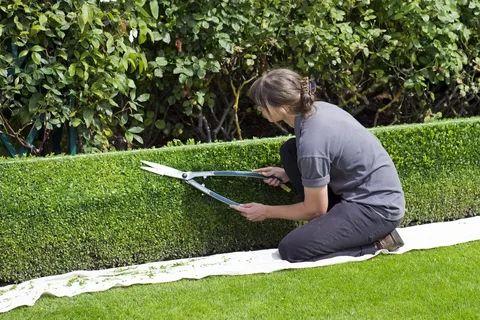
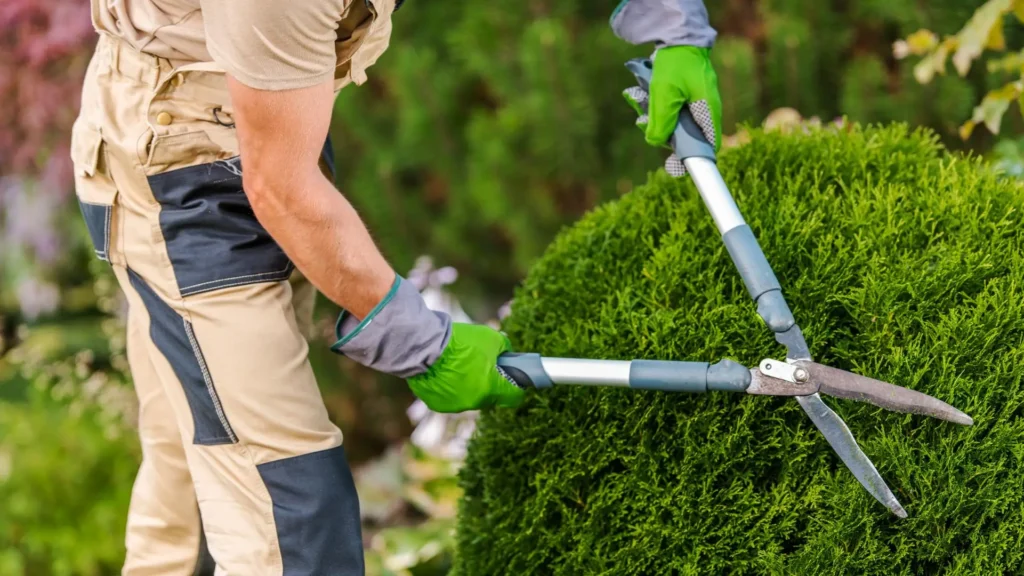
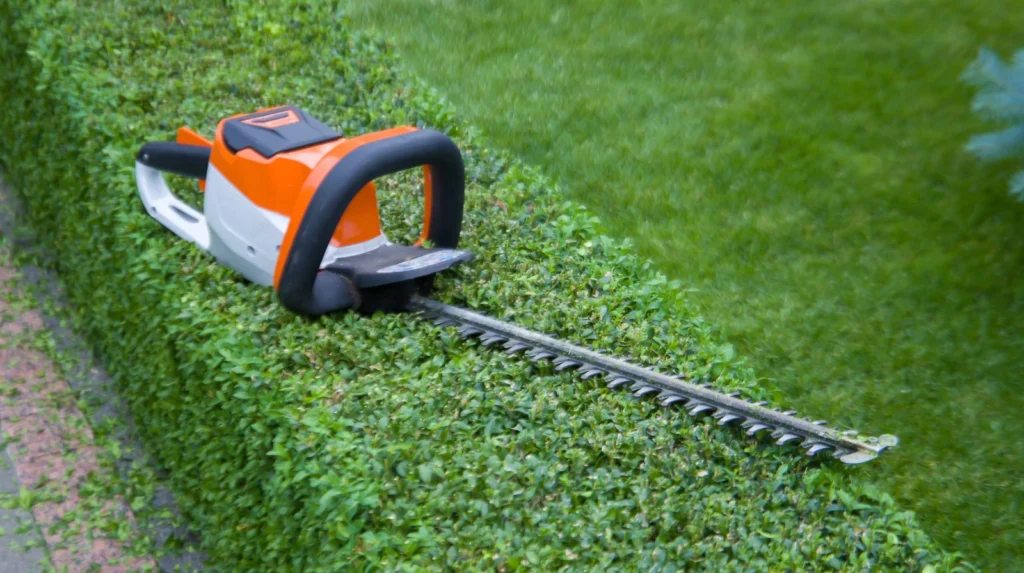
Always use tools designed for hedge trimming, such as sharp hedge trimmers or shears. Clean and sharpen blades regularly to maintain cutting quality. Well-maintained tools improve precision, reduce plant stress and make trimming safer and easier.
Lack of Regular Maintenance
Inconsistent maintenance allows small issues to grow into major problems. Hedges that are trimmed irregularly often grow unevenly and become harder to manage with each season.
Solution
Regular trimming keeps hedges compact, healthy and easier to shape. Even light trims help control growth and prevent overgrowth. A consistent schedule reduces the need for heavy corrective cuts and supports long-term hedge health.
Local Hedge Trimming Challenges in Dorset
Gardens in Bournemouth, Poole and Christchurch face unique challenges due to coastal winds, moisture levels and seasonal weather changes. These factors can accelerate growth or cause stress if trimming is poorly timed. Understanding local conditions helps ensure better trimming results and healthier hedges year-round.
Professional hedge trimming services often adapt techniques and schedules based on local climate, ensuring hedges remain strong and visually appealing despite changing conditions.
Why Choose TreeRebral Ltd For Hedge Trimming
TreeRebral Ltd provides expert hedge trimming services focused on correct technique, timing and long-term hedge health. Our experienced team understands common hedge trimming problems and how to fix them properly. We work across Bournemouth, Poole and Christchurch, delivering reliable results that improve hedge structure, appearance and growth while preventing repeat issues.
Contact Us
If your hedges are uneven, overgrown or struggling to recover after trimming, now is the right time to act. Contact Us today for professional hedge trimming and honest advice. We offer free quotes and expert service across Dorset, helping restore your hedges to strong, healthy condition with long-lasting results.
FAQs
Why Do My Hedges Look Uneven After Trimming?
Hedges usually look uneven when trimming is rushed, done without guides or when one side is cut more heavily than the other. Uneven sunlight exposure after trimming can also cause patchy regrowth over time.
Can Uneven Hedges Be Fixed After Bad Trimming?
Yes, uneven hedges can be fixed, but it requires patience. Correct the shape gradually over several trimming sessions, encourage growth in thinner areas and avoid heavy cutting that could further stress the hedge.
What Is the Biggest Mistake People Make When Trimming Hedges?
The biggest mistake is cutting too much at once. Removing excessive foliage shocks the plant, slows regrowth and often leads to thin, patchy hedges that take multiple seasons to recover properly.
Why Do Hedges Turn Brown After Trimming?
Hedges turn brown when trimming exposes old wood, removes too many leaves or is done during hot or dry weather. This causes stress, moisture loss and leaf scorch, affecting overall hedge appearance and health.
What Causes Poor Hedge Regrowth After Trimming?
Poor regrowth is usually caused by trimming at the wrong time of year, using blunt tools or removing too much foliage. Lack of watering, nutrients or sunlight after trimming can also slow recovery.
When Should You Not Trim Hedges in the Uk?
Avoid trimming hedges during bird nesting season, typically March to August, unless you are certain no nests are present. Trimming during frost, heavy rain or extreme heat should also be avoided.
How Do You Prevent Damaging Hedge Branches?
Prevent branch damage by using sharp, well-maintained tools and making controlled, clean cuts. Trim slowly, avoid excessive force and inspect tools regularly to ensure they are suitable for the hedge size.